
Feel Like Yourself Again
Because Feeling Different Shouldn’t Mean Feeling Forgotten.
Signs of Hormonal Imbalance
Hormonal changes can show up differently from woman to woman. You may notice:

Energy & Fatigue
You feel tired more often, have less motivation, or don’t have the same energy you once had.

Sleep
Falling asleep, staying asleep, or waking up feeling rested becomes more difficult.

Body Composition
You notice changes in weight, muscle mass, or where your body stores fat — even when your nutrition and exercise haven’t changed significantly.

Mood & Emotional Well-Being
You feel more irritable, anxious, overwhelmed, or emotionally different than you used to.

Sexual Health
Your libido changes, sexual function becomes different, or intimacy isn’t feeling the same.

Menstrual Changes
Your periods become irregular, heavier, lighter, more frequent, or less predictable.

Hot Flashes & Night Sweats
Sudden feelings of heat, sweating, or disrupted sleep become part of your everyday life.

Recovery & Performance
Exercise, recovery, strength, and physical performance don’t feel the same as they once did.
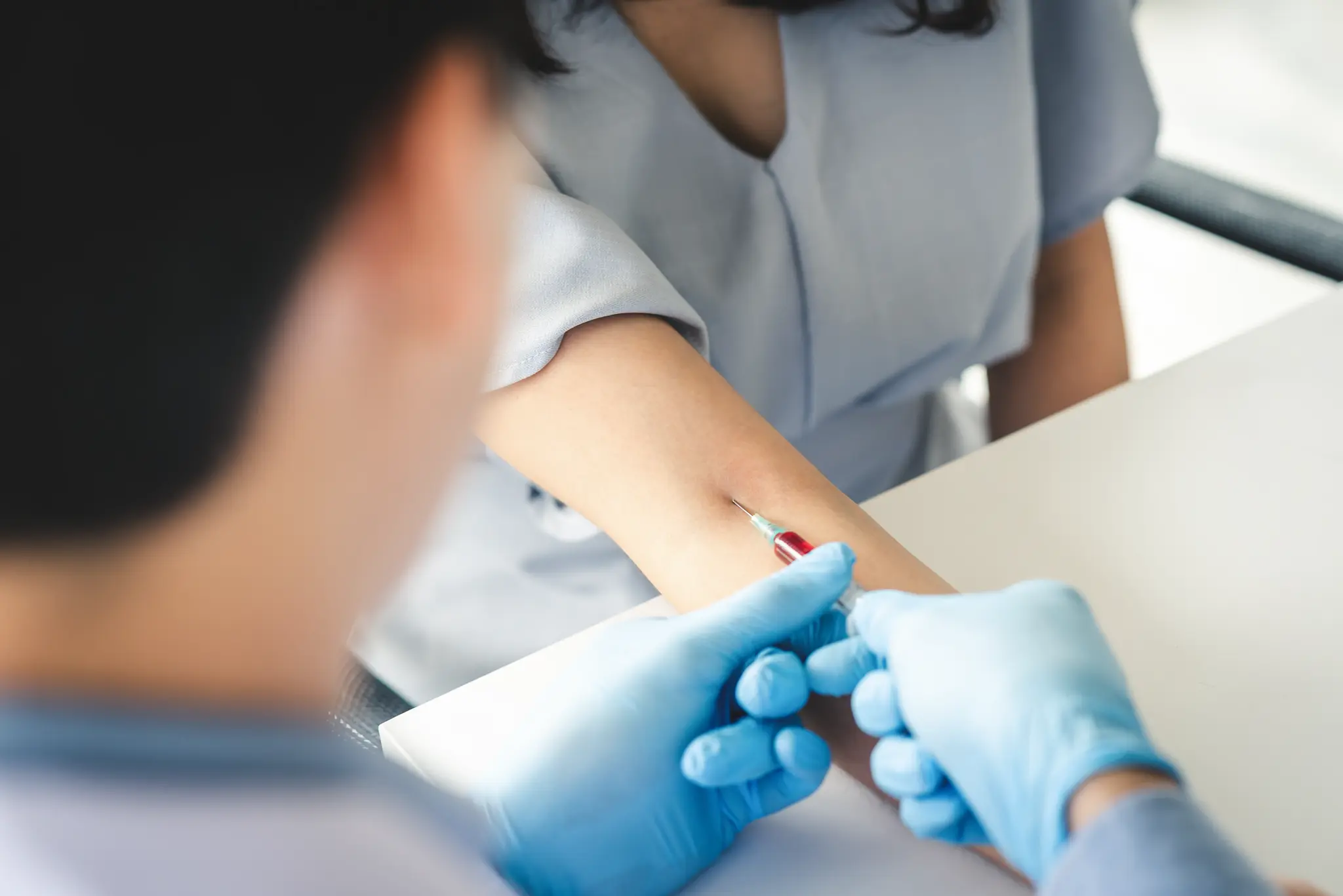
- At home
HRT Bloodwork
Personalized Hormone Care Starts with Blood Work
Your hormone levels and health needs are unique. Comprehensive blood work helps your clinician assess your hormone levels, identify potential imbalances, and determine which treatment options may be appropriate for you. Your personalized treatment plan and any prescriptions will be based on your lab results, symptoms, and medical evaluation.
From $199
Your doctor’s visit is $55, billed separately.

Compounded bi-est
RxEstradiol and estriol · Topical cream, capsule or troche · Compounded
Two oestrogens in a fixed ratio, compounded to a prescribed strength.

Compounded estradiol
RxEstradiol · Oral tablet · Compounded
An oestrogen, compounded to a prescribed strength rather than dispensed at a fixed manufactured dose.

Compounded progesterone
RxProgesterone · Oral capsule, cream or troche · Compounded
Progesterone, compounded to a prescribed strength in several forms.
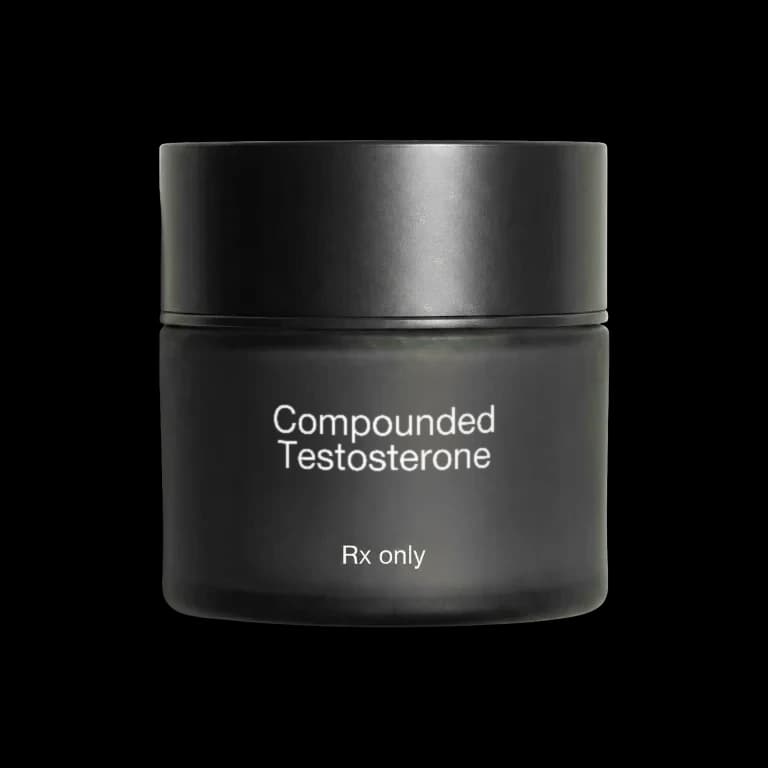
Compounded topical testosterone
RxTestosterone · Topical cream · Compounded
Testosterone at the low strengths prescribed for women, applied to the skin rather than injected.
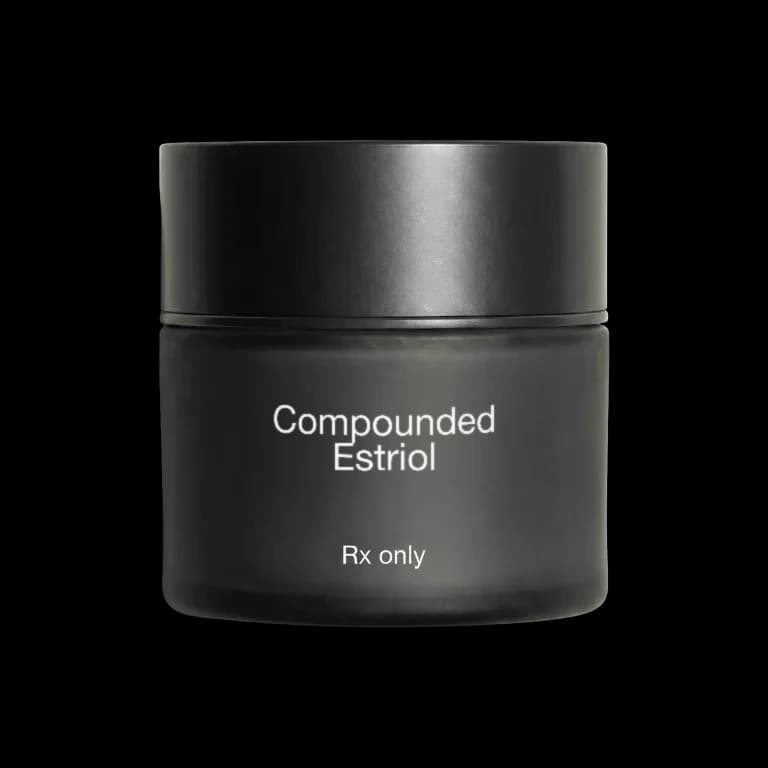
Compounded vaginal estriol
RxEstriol · Vaginal cream · Compounded
An oestrogen applied locally rather than taken systemically.
Compounded medications are prepared by a licensed compounding pharmacy to a physician’s prescription. They are not FDA-approved products, and the FDA does not review compounded preparations for safety or effectiveness before they are dispensed.
Availability depends on your evaluation and on the state you are in. Side effects and risks are discussed with your physician before anything is prescribed.
FAQs
Before You Start
Getting Started
How do I know if my hormones are out of balance?
Hormonal changes can affect energy, sleep, mood, metabolism, libido, and overall well-being. Symptoms alone don’t establish a hormone imbalance, but a comprehensive evaluation and appropriate lab work can help identify potential contributing factors.What is hormone replacement therapy (HRT)?
Hormone replacement therapy is a medical treatment designed to address certain hormone deficiencies or changes. Depending on your individual needs, treatment may involve estrogen, progesterone, or other hormone therapies prescribed by a qualified healthcare provider.What is perimenopause?
Perimenopause is the transitional stage leading up to menopause. During this time, hormone levels can fluctuate, sometimes causing changes in menstrual cycles, sleep, mood, body composition, energy, and sexual health.What is the difference between perimenopause and menopause?
Perimenopause is the transition period when hormone levels begin changing and menstrual cycles become less predictable. Menopause is officially reached after 12 consecutive months without a menstrual period, when there is no other medical explanation.
Understanding Women’s Hormones
What are common signs of hormonal changes in women?
Common symptoms can include:
- Low energy and persistent fatigue
- Difficulty sleeping or staying asleep
- Changes in mood and emotional well-being
- Hot flashes and night sweats
- Changes in libido
- Vaginal dryness or discomfort
- Changes in body composition
- Irregular menstrual cycles
- Difficulty maintaining focus or concentration
What hormones are evaluated during a women’s hormone assessment?
Depending on your symptoms, age, and medical history, your provider may evaluate estrogen, progesterone, testosterone, thyroid function, and other relevant health markers. The appropriate testing varies from person to person.Can HRT help with symptoms of perimenopause and menopause?
For appropriately selected patients, hormone therapy can help address certain menopausal symptoms, including hot flashes, night sweats, and vaginal or genitourinary symptoms. Your provider will help determine whether treatment is appropriate based on your medical history and individual needs.Is hormone replacement therapy safe?
HRT has potential benefits and risks that vary depending on the hormones used, dosage, delivery method, age, medical history, and individual risk factors. Your provider will review these factors before recommending treatment.
Treatment & Expectations
How long does it take to notice results from HRT?
Everyone responds differently. Some women notice improvements in certain symptoms within weeks, while other changes may take several months. Your provider can help establish realistic expectations and monitor your response.Will I need blood work before starting HRT?
Lab work may be recommended to help evaluate your health and identify potential hormone-related concerns. Your provider will determine which tests are appropriate. You may also be able to submit recent laboratory results for review.Can women receive testosterone therapy?
In certain circumstances, testosterone therapy may be considered for women following an appropriate medical evaluation. Treatment requires careful consideration of the potential benefits, risks, and evidence supporting its use for the individual condition.Can HRT help with weight gain and changes in body composition?
Hormonal changes during perimenopause and menopause can influence body composition and fat distribution. Hormone therapy is not a weight-loss treatment, but addressing appropriate hormone-related symptoms may be one component of a broader health and weight-management strategy.Do I have to be in menopause to explore hormone optimization?
No. Women can experience hormonal changes during different stages of life. An evaluation can help determine whether symptoms may be related to hormonal changes and whether treatment is appropriate.Can I receive treatment entirely through telehealth?
Many aspects of women’s hormone care can be managed through telehealth, including assessments, consultations, lab reviews, and follow-up appointments. Some situations may require additional testing or an in-person evaluation.How do I get started with women’s hormone care?
Start by completing your women’s health assessment. You can provide recent lab work or arrange appropriate testing. A licensed healthcare provider will review your information, discuss your concerns, and determine the next steps in your care.
Ongoing Care & Support
Will I need follow-up appointments?
Yes. Follow-up care is an important part of hormone management. Your provider may recommend periodic consultations and laboratory testing to evaluate your response, monitor relevant health markers, and make adjustments when medically appropriate.Can my treatment plan change over time?
Absolutely. Hormone levels, symptoms, and health needs can change throughout different stages of life. Your care plan may be adjusted based on your progress, laboratory results, and provider recommendations.How do I receive my medication?
If treatment is prescribed, your medication will be coordinated through the appropriate pharmacy. Delivery options and availability depend on the prescribed treatment and your location.Can I continue seeing my regular doctor while using Stakt Health?
Yes. We encourage you to maintain a relationship with your primary care provider and other healthcare professionals. Sharing relevant health information helps support coordinated care.What states does Stakt Health serve?
Stakt Health provides telehealth services in states where our healthcare providers are licensed and authorized to practice. Availability may vary depending on the treatment and applicable state requirements. Contact our team to confirm availability in your state.
Stakt Your Life
Whether it’s weight loss, hormones, or both — we build care around you.
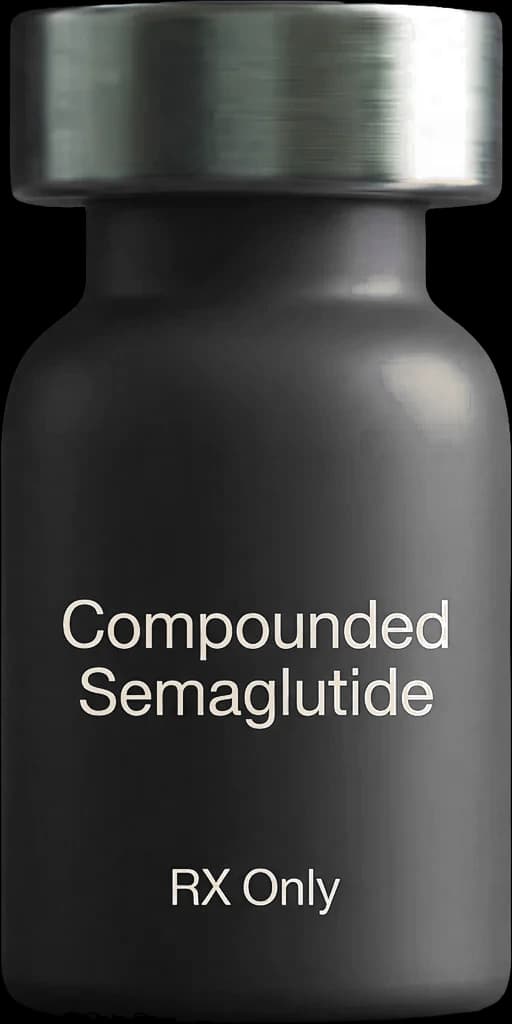
Weight loss
Where Most People Start.
From $199
Hormones
Most Chosen
Where Most People Feel Good.
From $249
Weight loss & hormones
Best Value
Where Most People Feel Their Best.
From $399
Personalized For You
Build Your Own Stakt.
Starting at $149

Hair, Skin & Nails

Compounded oral minoxidil
RxMinoxidil · Oral capsule · Compounded
From $35per month
A vasodilator, prescribed at low oral doses and monitored by a physician.
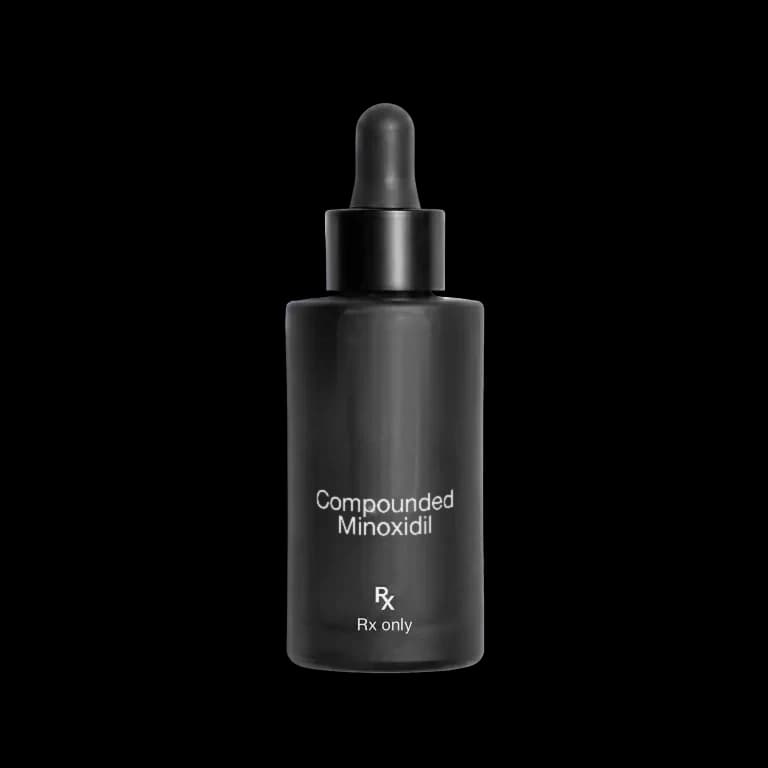
Compounded topical minoxidil
RxMinoxidil with tretinoin, fluocinolone and vitamin E · Topical solution · Compounded
A single preparation combining minoxidil with a retinoid and a corticosteroid.
Compounded topical estriol
RxEstriol with tretinoin, alpha lipoic acid, hyaluronic acid and vitamin C · Topical cream · Compounded
A topical oestrogen preparation compounded with a retinoid and antioxidants.
Compounded medications are prepared by a licensed compounding pharmacy to a physician’s prescription. They are not FDA-approved products, and the FDA does not review compounded preparations for safety or effectiveness before they are dispensed.
Availability depends on your evaluation and on the state you are in. Side effects and risks are discussed with your physician before anything is prescribed.
Importance of Hormonal Balance
If you’re experiencing changes in these areas, hormones may be one factor worth evaluating—but symptoms alone don’t determine whether HRT is appropriate.
Ready when you are.
Book a visit in a couple of minutes. If we are not the right fit for what you need, we will tell you and point you somewhere better.